Phoenix Photographer by Creative Professionals
Elevate Your Brand: The Impact of Professional Photography on Business Success
In the current competitive landscape, the significance of professional photography cannot be overstated. Businesses that commit to high-quality imagery tend to experience stronger brand recognition and increased consumer trust. The art of visual storytelling is essential in building meaningful relationships with audiences. However, not all images serve the same purpose. Understanding how to choose the right photographer and utilize visuals effectively can make a substantial difference. What strategies can brands employ to maximize the impact of their imagery?
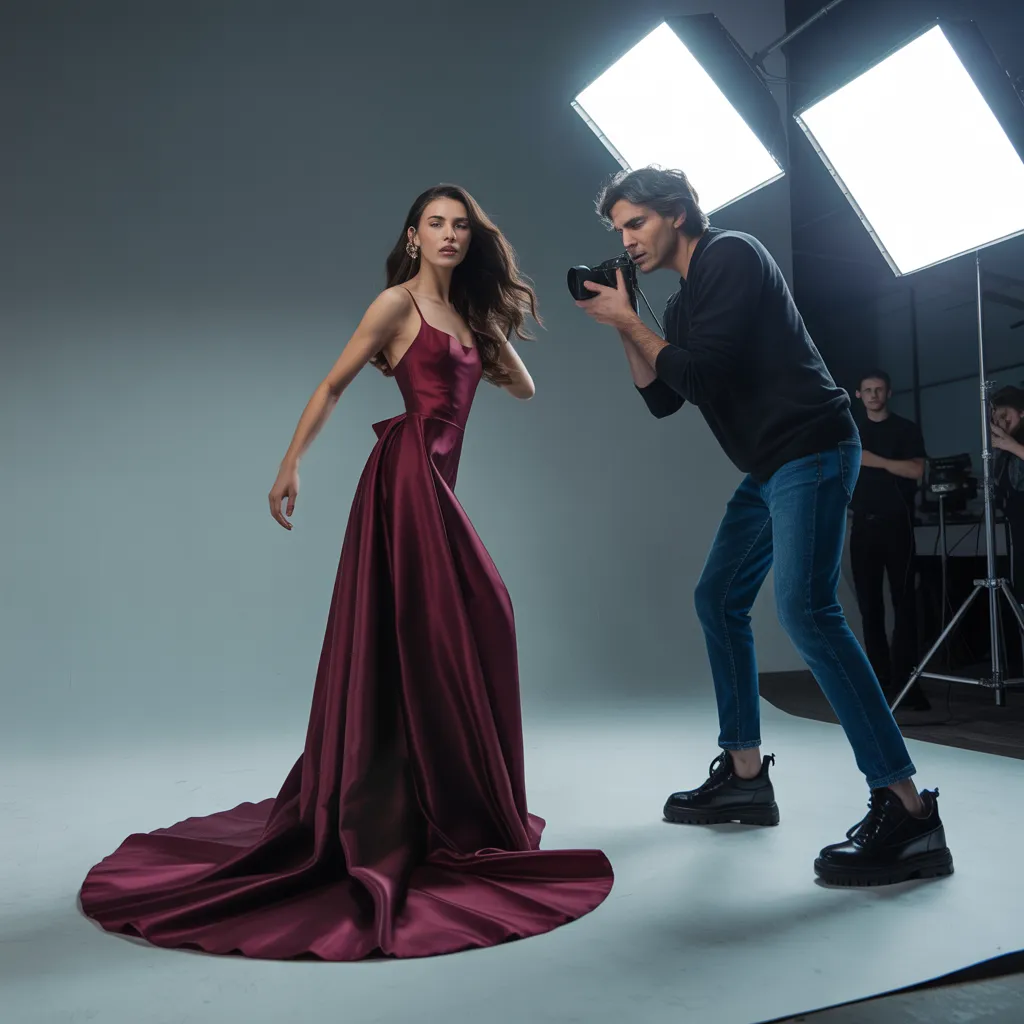
Reasons Why Professional Photography Deserves Your Attention
Why should businesses invest in professional photography? The key reason comes down to the impact of first impressions. High-quality images can greatly enhance a brand's image, demonstrating expertise and a commitment to quality. Within a visually oriented business landscape, prospective clients frequently evaluate a company through its visual presentation. High-end photography highlights products and services at their finest, drawing in and holding the attention of potential customers.
Additionally, uniform and professional visuals contribute to establishing a recognizable brand identity. Genuine representation is important; images taken by professionals can build a compelling story that speaks to target audiences. Such an investment may result in increased engagement across multiple channels, from social media to websites.
In the end, organizations that invest in expert photography position themselves as industry leaders, fostering trust and credibility. In an era where imagery holds unparalleled power, the need for quality imagery is not just beneficial—it's essential for sustained success.
How Visual Storytelling Shapes Brand Engagement
In today's fast-paced business world, visual storytelling has emerged as a powerful tool for brand connection. By building narratives with imagery, brands can create emotional connections with their audiences, rendering their content more impactful and lasting. This approach transcends essential guide traditional marketing techniques, allowing companies to communicate their values, mission, and personality through compelling visuals.
Compelling visual narratives grabs attention and encourages meaningful engagement, inspiring audiences to connect with the brand. It allows companies to present their offerings in real-world scenarios, demonstrating how they improve daily living. Through carefully curated imagery, companies can emphasize their distinctive advantages and set themselves apart from the competition.
Furthermore, visual narratives strengthen online visibility, as distributable content boosts exposure and stimulates audience engagement. Through leveraging striking visuals that align with target audiences, organizations can develop loyalty and stimulate engagement, thus paving the way for enduring business prosperity.
How High-Resolution Images Foster Consumer Trust
Superior-quality photographs act as a foundation for building consumer trust in the modern digital landscape. They deliver a graphic illustration of a brand's character, communicating expertise and precision. When consumers encounter sharp, carefully crafted images, they are inclined to perceive the brand as credible and reliable. This perception is vital, especially in an environment saturated with competition and misinformation.
Additionally, premium-quality visuals elevate the overall user experience, rendering websites and social media platforms more captivating. They enable prospective customers to picture products or services, nurturing a sense of recognition and comfort. As shoppers increasingly turn to visual signals to shape their buying decisions, brands that invest in professional photography distinguish themselves from competitors.
In the end, the influence of high-quality images reaches beyond mere appearance; they build a robust foundation for confidence, nurturing customer loyalty and propelling business prosperity.
How to Select the Best Photographer
Picking the best photographer is vital for aligning visual content with a business's identity. It entails clearly defining the business vision, assessing the quality of the photographer's body of work, and examining budget options. By prioritizing these key factors, businesses can form informed decisions that enhance their visual identity.
Clarify Your Brand Vision
A clear brand identity serves as the foundation for identifying the right photographer. Companies must first define their values, identity, and target audience, as this insight shapes the photography style needed to successfully convey their vision. Determining whether the brand leans towards a contemporary, minimalist style or a vibrant, dynamic approach is vital. Moreover, defining targeted aims—such as enhancing online presence or producing powerful marketing assets—will influence the decision on a photographer whose skill set corresponds to these objectives. By recognizing the intended emotional impact from the audience, organizations can guarantee they choose a photographer who can reflect the spirit of their brand vision. This deliberate coordination ultimately enhances the overall effectiveness of the photographic narrative.
Review Portfolio Quality
When assessing photographers, the quality of their portfolio serves as a crucial indicator of their skills. A well-rounded portfolio showcases a variety of styles and subjects, allowing potential clients to evaluate the photographer's technical skills and versatility. It is essential to look for consistency in lighting, composition, and image quality, as these elements reflect the photographer's attention to detail. Additionally, assessing prior work relevant to the specific field can offer insight into how well the photographer understands branding and marketing needs. Testimonials or case studies accompanying the portfolio may also boost credibility. In conclusion, a well-curated portfolio not only showcases artistic vision but also highlights the photographer's ability to produce results that align with a business's objectives.
Explore Budget-Friendly Options
Assessing the quality of a portfolio establishes the groundwork for finding the most suitable photographer, but financial considerations play an equally important role in the decision-making process. Businesses must establish a well-defined budget that aligns with their business objectives. This budget should account for not only the photography fees but also possible extra expenses, such as travel, editing, and licensing. Reviewing various photographers enables organizations to strike a middle ground between excellence and budget. It is essential to outline needs and expectations from the start to prevent unforeseen costs. Additionally, some photographers may offer bundled packages or reduced rates for bigger assignments, offering additional choices for cost-aware companies. Ultimately, thorough budget management can lead to a fruitful working relationship that strengthens brand identity without exceeding the budget.
Utilizing Images Efficiently Across Platforms
Harnessing the strength of images can significantly enhance a company's visibility across numerous platforms. Strategic image utilization requires an understanding of the specific characteristics of each platform. For one thing, vibrant, eye-catching visuals work well on social media, encouraging user interaction and distribution. In contrast, clean, professional images are vital for websites and e-commerce platforms, where they foster trust and credibility.
Furthermore, consistency in visual style—fonts, color schemes, and image quality—strengthens brand identity. Adapting images for specific formats, including square for Instagram and landscape for Facebook, secures an ideal display and user experience. Moreover, including images within email marketing can significantly boost open and click-through rates.
Case Studies: What Successful Brands Can Teach Us
Established brands demonstrate the substantial difference of high-quality photography on business outcomes. For instance, a distinguished cosmetics brand revamped its promotional approach by employing premium visuals that showcased its offerings in authentic environments. This transformation resulted in a 30% increase in e-commerce sales over a six-month period, confirming the power of visually appealing content.
Similarly, a upscale hotel brand employed high-quality photography to present its exceptional amenities and stunning views. The impressive imagery not only strengthened their website but also improved social media interactions, generating a 50% rise in bookings made directly.
One more instance involves a apparel company that embraced a cohesive visual identity through professional shoots. This initiative not only elevated its brand image but also fostered a loyal customer base, highlighted through a 40% surge in recurring sales. These real-world instances underscore how the thoughtful integration of professional photography can significantly elevate brand identity and drive business success.
Commonly Asked Questions
What Should I Expect to Pay for Professional Photography Services?
Planning a budget for professional photography typically ranges from $500 to $5,000, depending on factors like project complexity, photographer experience, and usage rights. Businesses should assess their needs to determine an appropriate budget within this range.
Can I Use Stock Photos Instead of Hiring a Professional?
Employing stock photography may serve as a budget-friendly option to working with a professional photographer, but they may lack authenticity and uniqueness. Businesses should weigh the benefits of originality against budget constraints when determining visual content.
How Frequently Should I Refresh My Brand Images?
Brands need to update their images every twelve to twenty-four months to stay aligned with modern trends and preserve their relevance. Regular refreshes ensure the visual presence up to date, connecting with audiences and strengthening brand loyalty through reliable, premium visuals.
What Types of Photography Are Best for My Industry?
Lifestyle, product, and event photography are critical across most industries. Organizations should concentrate on professional-grade images that connect with their desired demographic, presenting authenticity and professionalism to strengthen brand recognition and audience engagement effectively.
How Can I Track the Influence of Photography on My Brand?
To evaluate photographic content's influence on a company, one can study engagement metrics, monitor conversion data, gather audience feedback, and evaluate brand recognition through surveys, ultimately determining how imagery affects overall company performance.